
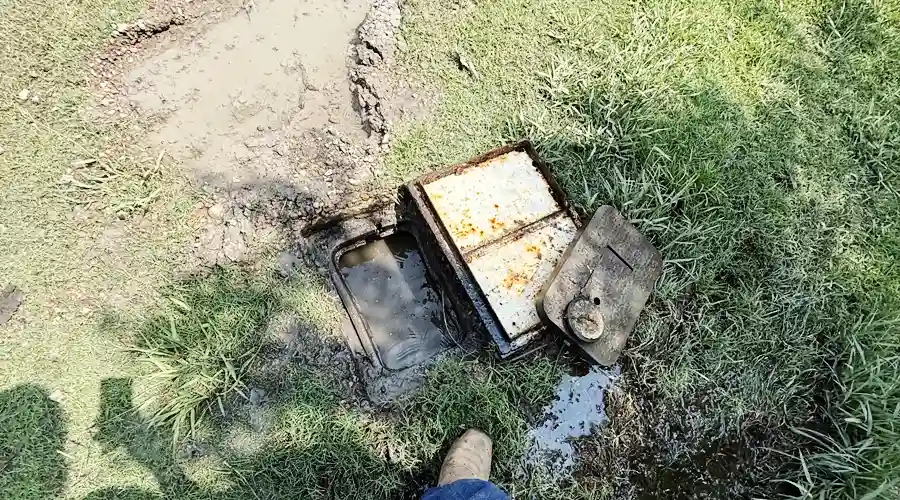
A pipe doesn’t have to burst to cause expensive water damage.
Some of the most troublesome plumbing leaks are the ones you can’t see.
They can happen:
- Behind a wall
- Under a cabinet
- Above a ceiling
- Beneath flooring
- Inside a plumbing chase
- Underground
- Under a home’s concrete slab
And sometimes the first warning isn’t water on the floor.
It’s your water bill.
If you suspect water is escaping somewhere in your Houston home, there are several things you can check before anyone starts opening walls or flooring.
Here’s how to look for the warning signs of a hidden water leak — and how plumbers narrow down where the water is actually coming from.
1. Check Your Water Bill
One of the easiest warning signs to spot is an unexplained increase in water usage.
If your household habits haven’t changed but your consumption suddenly rises, investigate why.
Possible explanations include:
- Running toilet
- Leaking faucet
- Irrigation problem
- Water heater leak
- Underground water leak
- Hidden supply-line leak
A higher bill doesn’t automatically prove that you have a broken pipe.
But it gives you a reason to investigate.
If you’ve noticed an unexplained increase, we’ve also created a guide specifically about why your Houston water bill may suddenly be high.
2. Perform a Water Meter Test
Your water meter can be one of the most useful leak-detection tools you already have.
The basic idea is simple:
If nothing in the house should be using water but the meter still indicates usage, water may be going somewhere you haven’t accounted for.
Before Starting
Make sure you’re not intentionally using water.
Turn off or avoid using:
- Faucets
- Showers
- Toilets
- Dishwasher
- Washing machine
- Irrigation
- Outdoor faucets
Also remember that some equipment may use water automatically.
Examples can include:
- Ice makers
- Irrigation systems
- Water softeners
- Automatic pool equipment
You don’t want to mistake normal automatic water consumption for a leak.
Check the Meter
Record the meter reading or take a picture.
Then avoid using water for a period of time.
Check the meter again.
If it indicates that water was consumed while everything should have been off, you have a reason to investigate further.
The test tells you something important:
Water may be moving.
It doesn’t necessarily tell you where.
That’s where diagnosis begins.
3. Listen When the House Is Quiet
Sometimes you can hear a hidden leak before you can see it.
When the house is quiet and no fixtures are operating, listen for:
- Hissing
- Dripping
- Running water
- Water moving inside walls
Hearing water doesn’t automatically tell you which pipe is leaking.
Sound can travel through framing and plumbing.
But running-water sounds when nobody is using water shouldn’t be ignored.
4. Look for Wall and Ceiling Changes
Drywall can reveal moisture before water actually starts dripping.
Watch for:
- Yellow or brown stains
- Bubbling paint
- Peeling paint
- Soft drywall
- Swelling
- Discoloration
- Damp areas
The challenge is identifying the source.
A ceiling stain could potentially come from:
- Plumbing
- An upstairs bathroom
- Water heater
- Roof
- HVAC condensate system
In Houston, this distinction is particularly important during the summer.
A clogged AC condensate drain can produce water damage that homeowners sometimes mistake for a plumbing or roof leak.
If that’s what you’re seeing, read our guide to clogged AC drain lines in Houston.
5. Pay Attention to Musty Odors
Water trapped inside a wall, cabinet, or other enclosed area can create persistent moisture.
You may notice a musty smell even though you can’t see water.
Don’t assume the smell tells you exactly where the leak is.
Moisture can travel.
The visible symptom may be several feet away from the actual plumbing failure.
That’s one reason finding the source matters more than simply repairing the first wet area you find.
6. Check Under Sinks and Cabinets
Not every hidden leak is buried deep inside a wall.
Some hide in places homeowners rarely inspect.
Open the cabinets under:
- Kitchen sink
- Bathroom sinks
- Laundry sink
Look and feel for:
- Moisture
- Staining
- Swollen cabinet material
- Corrosion
- Damp supply lines
- Water around valves
- Water around drain connections
A small supply-line leak can continue for a long time before enough water escapes to become visible outside the cabinet.
7. Check Around Toilets
Toilets can waste water without creating an obvious puddle.
A toilet that continuously runs can send water directly into the drain.
You may never see the wasted water on the floor.
Listen for a toilet that:
- Runs continuously
- Refills periodically without being flushed
- Makes intermittent filling sounds
A running toilet can significantly increase water consumption.
If you suspect one, see our guide to common causes of a running toilet.
Also inspect around the base of the toilet for visible moisture or flooring changes.
8. Check the Water Heater
Look around your water heater for:
- Moisture
- Corrosion
- Dripping connections
- Water around valves
- Water beneath the tank
A water heater leak doesn’t automatically mean the storage tank has failed.
Water may originate from a connection, valve, or nearby plumbing.
But if the tank itself is leaking, replacement is generally necessary.
We’ve covered this decision in our guide to water heater repair vs. replacement in Houston.
9. Look for Warm Areas on the Floor
A warm area on the floor can have several explanations.
But when combined with other symptoms such as:
- Unexplained water usage
- Meter movement
- Running-water sounds
- Moisture
- Reduced water pressure
it can be a reason to investigate whether a hot-water line may be leaking beneath the slab.
Don’t assume every warm tile means a slab leak.
Diagnosis should come before demolition.
Houston homes with slab-on-grade foundations can develop plumbing leaks beneath the concrete, which we’ve covered separately in our guide to slab leak warning signs.
10. Watch for Changes in Water Pressure
A significant leak in a pressurized supply line can sometimes affect water pressure.
But low pressure has many possible causes.
These include:
- Fixture problems
- Clogged aerators
- Mineral buildup
- Valve problems
- Pressure regulator issues
- Supply problems
- Leaks
That’s why low water pressure by itself isn’t proof of a hidden leak.
If pressure is low throughout the house, our Houston low-water-pressure guide can help narrow down the possibilities.
Hidden Leak vs. Slab Leak: What’s the Difference?
A hidden water leak is a broad description.
It simply means water is escaping somewhere that isn’t immediately visible.
The leak could be:
- Behind drywall
- Above a ceiling
- Inside cabinetry
- Underground
- Beneath flooring
A slab leak is more specific.
It generally refers to a plumbing leak associated with piping beneath or within the home’s concrete slab foundation.
So:
Every slab leak may be hidden initially, but not every hidden leak is a slab leak.
This distinction matters because the diagnostic and repair options can be very different.
Can You Find a Hidden Leak Without Destroying the Wall?
Often, the objective of professional leak detection is to narrow down the source before unnecessary demolition.
A plumber may start by determining:
- Whether water is actually being lost
- Whether the problem is on a pressurized line
- Whether hot or cold water is involved
- Which part of the plumbing system is affected
- Whether symptoms point toward a wall, ceiling, fixture, underground line, or slab
The appropriate diagnostic approach depends on the situation.
This is much better than randomly opening drywall hoping to find water.
Hugo Plumbing provides professional leak detection in Houston to help locate plumbing leaks before determining the appropriate repair.
Why the Visible Water May Not Be Where the Leak Is
This is one of the most confusing things about hidden leaks.
Water follows gravity, framing, pipes, flooring, and other building materials.
A pipe can leak in one location and the visible stain can appear somewhere else.
For example:
Pipe leak
    ↓
Water follows framing
    ↓
Collects above ceiling
    ↓
Moves to lowest point
    ↓
Ceiling stain appears
Opening the ceiling directly beneath the stain doesn’t guarantee that the broken pipe is directly above it.
This is why locating the source before making unnecessary openings can save considerable time.
Hidden Water Leak or Drain Leak?
Another important distinction is whether the problem involves:
water entering the fixture
or
water leaving the fixture.
Supply-Line Leak
A pressurized water line may leak even when nobody is actively using the fixture.
Depending on the failure, the water meter may show continuous consumption.
Drain Leak
A drain may only leak when water is actually passing through it.
For example, you may notice a ceiling stain only when someone uses the upstairs shower.
That pattern is useful information.
If the area stays dry all day and suddenly becomes wet every time a particular fixture is used, tell the plumber.
What If the Water Meter Isn’t Moving?
A stationary meter makes a continuously leaking pressurized water line less likely during the test period, assuming everything was properly isolated.
But it doesn’t eliminate every possible source of moisture.
The problem could involve:
- Drain piping
- Intermittent fixture leak
- HVAC condensate
- Roof
- Exterior water intrusion
- Previous water damage
That’s why leak detection isn’t simply:
“Meter moves = leak. Meter doesn’t move = no leak.”
The symptoms need to be considered together.
Don’t Ignore a Small Leak
A small leak doesn’t necessarily stay small.
Even when the amount of water is limited, persistent moisture can damage:
- Drywall
- Cabinets
- Flooring
- Insulation
- Trim
- Framing
- Personal belongings
The sooner the source is identified, the easier it is to make an informed repair decision.
When Is a Hidden Leak an Emergency?
Treat the situation more urgently when:
- Water is actively spreading
- A ceiling is filling with water
- Flooring is becoming saturated
- Water is near electrical equipment
- You cannot stop the water
- A supply line has burst
- Significant water is entering the home
If you can safely stop the water using a fixture shutoff, do so.
If necessary, shut off the home’s main water supply.
Every homeowner should know how to do this before an emergency happens. Our Houston water-main shutoff guide walks through the basic process.
For other urgent situations, see our guide to what counts as a plumbing emergency.
What Not to Do When You Suspect a Hidden Leak
Avoid jumping directly to demolition.
Don’t start cutting multiple holes in walls simply because one area looks wet.
Instead:
- Determine whether water is currently being lost.
- Document where symptoms appear.
- Note when they occur.
- Check accessible plumbing.
- Perform a meter test when appropriate.
- Have the source diagnosed if it isn’t obvious.
The objective isn’t merely to find water.
It’s to find where the water is coming from.
Information That Helps Your Plumber Find the Leak
Before calling, collect as much useful information as you can.
Tell the plumber:
- When you first noticed the problem
- Whether the meter moves with fixtures off
- Whether the water appears continuously
- Whether it happens only when a fixture is used
- Whether the affected area feels warm
- Whether water pressure changed
- Whether your water bill increased
- Whether you’ve had previous leaks
- Whether the home has had plumbing repairs in that area
Those details can help narrow down the problem faster.
How Hugo Plumbing Handles Hidden Water Leaks
The first goal should be diagnosis.
Not demolition.
A wet wall doesn’t automatically tell you which pipe failed.
A high water bill doesn’t automatically mean the leak is underneath the slab.
And a ceiling stain doesn’t automatically mean the roof is leaking.
Hugo Plumbing provides leak detection services in Houston to help determine where water is coming from and what part of the plumbing system needs attention.
If testing indicates that the problem is beneath the foundation, we can also evaluate slab leak detection and repair.
The objective is simple:
Find the source first. Then determine the right repair.
Frequently Asked Questions
How can I tell if I have a hidden water leak?
Common signs include an unexplained increase in your water bill, a water meter that moves when no water is being used, damp walls or flooring, musty odors, peeling paint, reduced water pressure, sounds of running water, and unusually wet areas around the home.
A meter test can help determine whether water may be escaping somewhere in the plumbing system.
How do I use my water meter to check for a leak?
Turn off faucets, appliances, irrigation, and anything else using water, then check the water meter.
Avoid using any water for a period of time and check it again.
If the meter indicates continued water use while everything should be off, there may be a leak.
Make sure automatic equipment such as irrigation systems, ice makers, and water softeners are not operating during the test.
Can a plumber find a leak without opening walls?
Often, a plumber can narrow down the location of a hidden leak using diagnostic methods before opening walls or flooring.
The appropriate method depends on whether the suspected leak is in a pressurized water line, drain system, fixture, wall, ceiling, or beneath the slab.
What does a water leak behind a wall look like?
Possible signs include bubbling or peeling paint, staining, soft drywall, musty odors, mold or mildew growth, unexplained moisture, and the sound of water when fixtures are off.
These symptoms do not always prove a plumbing leak, so the source should be diagnosed before opening the wall.
Is a high water bill always caused by a leak?
No.
Irrigation, increased household usage, running toilets, rate changes, and other factors can increase water consumption.
However, an unexplained increase is a good reason to perform a water meter test and inspect common leak locations.
Find the Leak Before It Becomes a Bigger Repair
Hidden leaks are difficult because you can’t always see what’s happening.
But your house often gives you clues.
A moving water meter.
A suddenly higher water bill.
A damp cabinet.
A warm section of flooring.
A ceiling stain.
The sound of water when everything is supposed to be off.
Individually, these symptoms don’t always prove that a pipe is leaking.
Together, they can tell you it’s time to investigate.
If you suspect water is escaping somewhere inside or underneath your Houston home, Hugo Plumbing can help locate the source before determining what needs to be repaired.
Schedule professional leak detection in Houston.
📞 (713) 409-7176
If Your Drain Won’t Go, Call Hugo.
If your pipes won’t hold, call Hugo.
Explore Our Plumbing Services
See all plumbing services, the areas we serve, or more plumbing tips.