
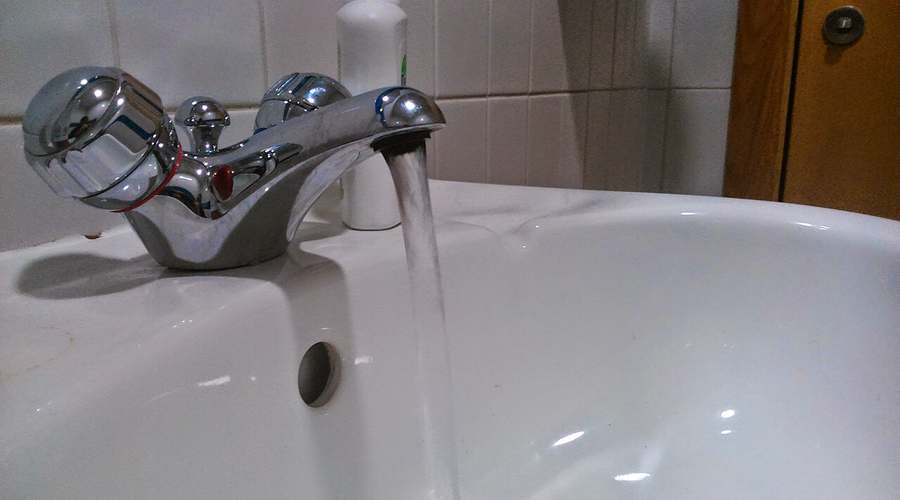
Weak showers. A washing machine that takes forever to fill. Two fixtures running at once and neither one has any push behind it. Low water pressure is one of the most common complaints we hear from Houston homeowners — and while it’s easy to shrug off as an annoyance, it’s often your plumbing trying to tell you something. Here’s what causes low water pressure, how to track down the source, and when it’s time to call a plumber.
What Counts as “Low” Water Pressure?
Residential water pressure is measured in pounds per square inch (psi). Most homes sit comfortably between 40 and 60 psi. Once you drop below about 40 psi, showers feel weak, appliances run slowly, and running two fixtures at once becomes a battle. (For the record, more isn’t always better — pressure above 80 psi is too high and puts stress on your pipes, fittings, and water heater.)
You can check your own pressure with an inexpensive gauge that screws onto an outdoor hose bib. If the reading is low across the whole house, the cause is usually upstream. If it’s only weak at one fixture, the problem is almost always local to that spot.
The Most Common Causes of Low Water Pressure
1. Mineral buildup from Houston’s hard water
Houston has some of the hardest water in Texas, and that mineral load takes a toll. Over the years, calcium and magnesium form scale inside your pipes, aerators, and showerheads, narrowing the path water flows through. This is the number-one reason older Houston homes see their pressure slowly fade — it doesn’t happen overnight, it creeps up on you. (We break down the full story in our guide to Houston hard water.)
2. Clogged aerators and showerheads
If the pressure is weak at just one faucet or shower, start here. The little screen (aerator) on the tip of a faucet — and the tiny holes in a showerhead — catch mineral deposits and debris. This is the easiest fix on the list and often restores pressure in minutes.
3. A failing pressure regulator
Many homes have a pressure-reducing valve where the main line enters the house. When it fails, pressure can spike too high or drop too low across the entire home. A sudden, whole-house change in pressure is a classic sign that the regulator needs attention.
4. A hidden leak
This is the cause you don’t want to ignore. A leak in a supply line — or under your slab, which is common in Houston’s shifting clay soil — bleeds off water and pressure before it ever reaches your faucets. If your pressure is dropping and your water bill is creeping up, or you hear water running when everything is off, you may have a hidden leak. Professional leak detection pinpoints it without tearing up your home guessing.
5. Old, corroded, or galvanized pipes
Homes built before the 1970s often have galvanized steel supply lines. From the inside out, these pipes corrode and clog with rust and scale until they’re a fraction of their original diameter. No amount of cleaning fixes pipes this far gone — the long-term answer is whole-home repiping, which restores full flow and reliability.
6. A partially closed shutoff valve
Sometimes the answer is simple. If pressure dropped right after plumbing work or a water heater repair, check that the main shutoff valve — and the valves at your water heater and under fixtures — are fully open. A half-turned valve chokes your flow.
7. Water heater sediment
If your pressure is fine on the cold side but weak on hot water only, your water heater is the likely culprit. Sediment and scale build up inside the tank and around the outlet, restricting hot-water flow. Our water heater repair and installation team can flush the tank or replace a unit that’s reached the end of its life.
Low Pressure Only Upstairs, or Only on Hot Water
Two patterns deserve their own note because they narrow the cause fast.
Only on the second floor. Gravity takes about 0.43 psi for every foot of rise, so a second-floor shower starts roughly 5 to 8 psi behind a first-floor sink. In a house running at 55 psi nobody notices. In a house running at 40 psi, or one where the pressure regulator has drifted low, the upstairs bath is the first place it shows. Fixes run from adjusting or replacing the regulator to, in older homes, replacing galvanized risers that have corroded shut.
Only on hot water. Cold is strong, hot is weak: the restriction is at or after the water heater. Sediment on the tank floor, scaled heat-trap nipples at the outlet, a heater shutoff valve left half-closed after service, or a tankless unit’s inlet screen packed with Houston mineral scale are the usual suspects. If it is weak on hot water at just one upstairs shower, the cartridge or pressure-balancing valve in that shower is scaled.
Hot and upstairs together is the most common version of this complaint in two-story Houston homes with the heater in the garage, and it has its own guide: Low hot water pressure on the second floor. If the hot water is strong but takes forever to arrive, that’s a different problem; see why hot water takes so long.
How to Track Down the Source Yourself
Before you call anyone, a few quick checks can narrow things down:
- Is it one fixture or the whole house? One fixture points to a clogged aerator or fixture valve. Whole-house points to the regulator, main line, or a leak.
- Is it hot, cold, or both? Hot-only points to the water heater. Both sides means it’s upstream of the heater.
- Did it happen suddenly or gradually? Gradual usually means scale and corrosion building up over years. Sudden usually means a regulator, a valve, or a new leak.
- Check your water bill. A jump you can’t explain, paired with falling pressure, is a red flag for a hidden leak.
When to Call a Plumber
You can clean an aerator or open a valve yourself. But it’s time to bring in a pro when:
- Pressure is low across the entire house and you can’t trace it to a valve.
- You suspect a leak — rising bills, the sound of running water, or damp spots and warm floors that hint at a slab leak.
- Your home has old galvanized pipes that are corroding shut.
- Your pressure regulator needs testing, adjusting, or replacing.
- The fixes you’ve tried haven’t made a difference.
How Hugo Plumbing Can Help
At Hugo Plumbing, we’ve spent over 20 years diagnosing weak water pressure in Houston homes — and because we know exactly how our local water and soil behave, we don’t just treat the symptom. We’ll test your pressure, check your regulator, locate hidden leaks, flush or service your water heater, and replace corroded pipes when that’s what it takes. The goal is simple: strong, steady pressure at every tap, fixed at the source so it stays that way.
Frequently Asked Questions
Why is my water pressure suddenly low all over my house? A sudden drop that affects every faucet usually points to something upstream: a failing pressure regulator, a partially closed main shutoff valve, a problem with the city supply, or a hidden leak in your main line. If it came on suddenly and affects the whole house, it’s worth having a plumber check the main line and regulator before it gets worse.
Can hard water cause low water pressure in Houston? Yes. Houston has very hard water, and over the years the calcium and magnesium in it leave scale inside pipes, aerators, and showerheads. That mineral buildup narrows the path water flows through and steadily chokes down your pressure, which is why older Houston homes often see it get worse over time.
Is low water pressure a sign of a leak? It can be. A hidden leak in a supply line or under the slab bleeds off pressure before the water reaches your fixtures, so pressure drops even though everything looks fine. If your pressure is falling and your water bill is climbing, or you hear running water when nothing is on, call a plumber for professional leak detection right away.
Why is my water pressure low only upstairs or only on hot water? Low pressure only on the second floor is partly physics: every foot of rise costs about 0.43 psi, so an upstairs shower starts 5 to 8 psi behind the kitchen, which only matters when the house is already marginal or a pressure regulator is set low. If it is low upstairs on hot water only, the water heater is the usual cause: sediment and scaled heat-trap nipples at the tank outlet, a partially closed heater shutoff, or scaled hot lines and shower cartridges from Houston’s hard water. Compare hot and cold at the same upstairs tub spout; if cold is strong and hot is weak, start at the heater.
What is normal water pressure for a home? Most homes run comfortably between 40 and 60 psi. Below about 40 psi, showers and appliances start to feel weak. Above 80 psi is actually too high and can damage your plumbing, so if you’re not sure, a plumber can test your pressure and, if needed, install or adjust a pressure regulator.
Don’t Settle for a Weak Trickle
Call or text (713) 409-7176 for a free estimate and a written price.
Low water pressure is rarely just bad luck — it’s usually a fixable problem with a clear cause, whether that’s a clogged aerator, a tired regulator, hard-water scale, or a hidden leak quietly working against you. The sooner you find the source, the easier and cheaper the fix. If your Houston home’s pressure has faded to a trickle, Hugo Plumbing is ready to track down why and bring it back. If your drain won’t go, call Hugo.
Explore Our Plumbing Services
See all plumbing services, the areas we serve, or more plumbing tips.