
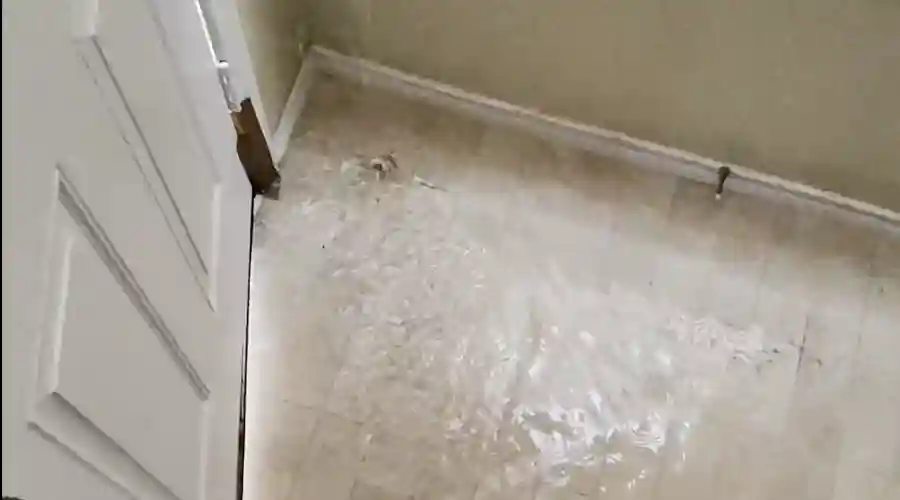
It’s 10:30 at night and there’s water on the floor.
Do you call a plumber now?
Or can it wait until tomorrow morning?
That’s not always an easy decision.
Some plumbing problems look dramatic but can safely wait a few hours after the water is shut off.
Others start small and cause thousands of dollars in damage while you’re deciding what to do.
For Houston homeowners, the simplest rule is this:
If the problem is actively damaging the house, creating a health or safety hazard, or preventing you from safely using essential plumbing, treat it like an emergency.
Here are nine plumbing problems you shouldn’t ignore — plus what you can do before the plumber arrives.
1. A Burst or Broken Water Pipe
This is one of the clearest plumbing emergencies.
Your home’s water supply lines operate under pressure.
When a pipe breaks, water doesn’t simply drip out.
It can continue flowing until:
- The affected valve is closed
- The home’s main water supply is shut off
- The problem is repaired
Depending on where the pipe breaks, water can quickly spread through:
- Drywall
- Insulation
- Flooring
- Cabinets
- Ceilings
- Electrical areas
The first priority isn’t finding the exact crack.
It’s stopping the water.
If you don’t know where your shutoff is, our guide to how to shut off your water main in Houston explains what to look for.
Once the water is off, call for professional help.
2. Water Coming Through the Ceiling
Water dripping through a ceiling deserves immediate investigation.
But don’t automatically assume it’s a plumbing pipe.
In Houston, there are several common possibilities:
- Pressurized water line
- Water heater
- Upstairs bathroom
- Toilet
- AC condensate drain
- Roof leak
The timing can provide clues.
If water appears during heavy rain, the roof deserves investigation.
If it appears when someone uses an upstairs shower, toilet, or sink, plumbing becomes more likely.
And during a hot Houston summer, a clogged AC condensate line can create a ceiling stain that looks surprisingly similar to a plumbing leak.
We explain that problem in our guide to clogged AC drain lines in Houston.
Here’s an important test:
If you shut off the home’s main water supply and the active leak slows or stops, a pressurized plumbing line may be involved.
If water is actively spreading through the ceiling, don’t wait for the drywall to collapse before dealing with it.
3. Sewage Backing Up Into the House
A slow sink is inconvenient.
Raw sewage entering your shower is different.
If flushing a toilet causes wastewater to rise through:
- Shower
- Bathtub
- Floor drain
- Another toilet
stop using the plumbing.
You may have a blockage in the main sewer line.
Continuing to run:
- Showers
- Washing machines
- Dishwashers
- Toilets
- Sinks
only sends more wastewater toward a sewer that cannot carry it away.
Eventually that water has to go somewhere.
Often, it comes back through the lowest drain in the house.
Sewage also creates a sanitation concern, so avoid direct contact with contaminated water.
If you’re seeing recurring symptoms before an actual backup occurs, read our guide to the warning signs of a sewer line problem.
4. An Overflowing Toilet That Won’t Stop
Not every clogged toilet requires an emergency plumber.
If the toilet is clogged but the water isn’t rising and you have another usable bathroom, you may have time to schedule service.
But a toilet that continues filling and overflowing needs immediate attention.
First, do not flush it again.
Remove the tank lid if necessary and stop the tank from continuing to refill.
Then locate the shutoff valve behind or beside the toilet and turn it clockwise.
If the valve works, the immediate flooding should stop.
The next question is why the toilet clogged.
If only that toilet is affected, the blockage may be local.
If toilets, tubs, or showers elsewhere in the house are also backing up, the problem may be in the main drain or sewer line.
5. A Major Hidden Water Leak
Not every serious leak produces a puddle.
Sometimes the first clue is your water meter.
Or your water bill.
You may notice:
- Water meter moving when everything is off
- Sudden unexplained water bill increase
- Sound of running water inside a wall
- Warm area on the floor
- Damp flooring
- Musty odor
- Reduced water pressure
Those symptoms can indicate a hidden pressurized leak.
And because the water is hidden, homeowners sometimes underestimate how much is escaping.
A leak can continue underneath flooring or inside walls long before visible damage appears.
If you suspect one, professional leak detection can help locate the source without blindly opening walls and floors.
You can also perform the simple meter test described in our guide to why your Houston water bill may suddenly be high.
6. A Suspected Slab Leak
Houston’s slab-on-grade construction makes hidden leaks underneath the foundation especially important.
Possible slab leak symptoms include:
- Warm flooring
- Water meter movement
- Running-water sounds
- Unexplained water usage
- Damp flooring
- Reduced pressure
- Water appearing around walls or flooring
A slab leak doesn’t necessarily mean water is about to burst through the floor.
But a pressurized pipe can continue leaking underneath the home until it’s isolated or repaired.
The earlier it’s located, the more repair options you may have.
Our guide to slab leak warning signs in Houston explains the symptoms in detail.
If the evidence points toward an underground leak, Hugo Plumbing provides slab leak detection and repair.
7. A Water Heater That’s Actively Leaking
A little moisture near a water heater and water pouring from the tank are not the same problem.
Water can leak from:
- Supply connection
- Shutoff valve
- Drain valve
- Temperature and pressure relief valve
- Plumbing fittings
- The tank itself
Some of those components can be repaired.
A failed storage tank generally needs replacement.
The emergency is the water, not simply the fact that the water heater stopped working.
If water is actively spreading into the home, stop the water supply when it is safe to do so.
If you’re trying to determine whether the unit should be repaired or replaced, see our guide to water heater repair vs. replacement in Houston.
For professional diagnosis and replacement, see our water heater repair and installation services.
8. You Have No Water Throughout the House
Turn on another faucet before calling a plumber.
If one fixture has no water, the problem may be isolated to that fixture.
If the entire house suddenly has no water, check whether:
- The main shutoff was closed
- Neighbors also lost water
- The utility is performing work
- There’s a known neighborhood outage
If the utility still has service but your home doesn’t, the problem may involve your water service or plumbing system.
Loss of water isn’t always caused by a leak, so diagnosis comes before repair.
9. Multiple Drains Suddenly Stop Working
One clogged sink usually isn’t an emergency.
One clogged shower usually isn’t either.
But when several fixtures stop draining at approximately the same time, pay attention.
For example:
toilet + bathtub + shower
or
multiple bathrooms + floor drain
can indicate a blockage farther downstream.
If you continue using water, the blockage can turn into a sewage backup.
This is where the distinction between a simple drain cleaning problem and a larger sewer line problem becomes important.
What Usually Isn’t a Plumbing Emergency?
Not every plumbing problem needs immediate after-hours service.
Problems that can often wait for a scheduled appointment — assuming they’re contained and aren’t causing damage — include:
- Slow-draining sink
- Dripping faucet
- Running toilet that can be shut off
- Minor fixture leak that’s contained
- Garbage disposal that stopped working
- One clogged sink
- Low pressure at one fixture
That doesn’t mean ignore them.
It means you may be able to control the problem and schedule the repair rather than treating it as an emergency.
For example, a running toilet can waste significant amounts of water without flooding the house.
Our guide to why your toilet keeps running covers several common causes.
The Difference Is Whether You Can Control the Problem
Here’s a useful way to think about it.
Situation A
Your kitchen faucet is dripping once every few seconds.
Annoying?
Yes.
Emergency?
Probably not.
Situation B
A supply line under the kitchen sink breaks and water is spraying into the cabinet.
That’s different.
Situation C
The supply valve works, you shut it off, the water stops completely, and the rest of the house has water.
The immediate emergency is controlled.
You still need a repair, but you’ve stopped the damage.
Situation D
The valve won’t close and water continues spreading through the kitchen.
That’s an emergency.
The difference isn’t simply what broke.
It’s whether the situation is controlled.
What to Do Before an Emergency Plumber Arrives
The first few minutes matter.
1. Stop the Water
If the problem is a pressurized water leak, shut off the nearest working fixture valve.
If that doesn’t stop it, shut off the main water supply.
Every homeowner should know where that valve is before an emergency happens.
2. Stop Using Drains During a Sewer Backup
If sewage is coming back into the house:
stop adding water to the system.
Don’t:
- Flush toilets
- Shower
- Run the washing machine
- Run the dishwasher
until the blockage is addressed.
3. Protect Your Belongings
If it is safe, move:
- Furniture
- Electronics
- Rugs
- Boxes
- Personal belongings
away from spreading water.
4. Be Careful Around Electricity
Water and electricity are a dangerous combination.
Don’t walk into standing water to reach electrical equipment.
If water has reached outlets, panels, appliances, or energized equipment, prioritize safety.
5. Take Photos
Document visible damage before cleanup when practical.
Photos can help you track:
- Where the water originated
- How far it spread
- Damaged materials
- Conditions before repairs
This may also be useful if you later need to discuss the damage with your insurance company.
Should You Use a Chemical Drain Cleaner During an Emergency?
If sewage is backing up throughout the house, pouring chemical cleaner into a drain isn’t going to repair a broken or blocked main sewer line.
It can also leave harsh chemicals sitting in backed-up wastewater that someone later has to work around.
For a major backup, stop using the plumbing and diagnose the actual blockage.
What About a Plumbing Problem During a Houston Storm?
Heavy rain can complicate drainage problems.
If your home experiences backups during severe weather, the cause isn’t automatically inside the house.
Possible factors can include:
- Drain blockage
- Sewer problems
- Heavy municipal system load
- Exterior drainage
- Existing pipe defects
Houston homeowners should also prepare before severe weather arrives.
Our Houston hurricane-season plumbing checklist covers the plumbing steps worth taking before, during, and after a major storm.
When Should You Call an Emergency Plumber?
Call when waiting creates a meaningful risk of:
Water damage
Sewage contamination
Loss of essential plumbing
or
A rapidly worsening problem you cannot control.
Examples include:
- Burst pipes
- Uncontrolled water leaks
- Major ceiling leaks
- Sewage backups
- Overflowing fixtures that cannot be stopped
- Major water heater leaks
- Serious hidden leaks
- Multiple fixtures backing up
- Plumbing failures threatening the property
If you’ve already shut the water off and completely stopped the damage, tell the plumber that too.
It helps determine how urgent the situation remains.
How Hugo Plumbing Can Help
A plumbing emergency isn’t the time for guesswork.
The first objective is to stop the damage.
The second is to determine why it happened so the repair actually solves the problem.
Hugo Plumbing provides emergency plumbing services in Houston for problems including major leaks, burst pipes, sewer backups, water heater problems, drain failures, and other urgent plumbing situations.
Depending on the problem, we can also provide:
- Leak detection
- Slab leak detection and repair
- Drain cleaning
- Sewer line repair
- Water heater repair and installation
The goal is simple:
Stop the immediate problem, find the cause, and make the right repair.
Frequently Asked Questions
What is considered a plumbing emergency?
A plumbing problem is generally an emergency when waiting could cause significant water damage, create a health or safety risk, leave the home without usable plumbing, or allow sewage or uncontrolled water to enter the property.
Burst pipes, major water leaks, sewage backups, overflowing toilets that cannot be stopped, and certain water heater leaks are common examples.
Should I call an emergency plumber for a leaking pipe?
It depends on the severity of the leak and whether you can stop the water.
A small contained drip may be able to wait for a scheduled repair.
A pressurized leak that is spreading water through walls, ceilings, cabinets, or flooring should be treated as an emergency, especially if shutting off a fixture does not stop it.
Is a clogged drain a plumbing emergency?
One slow or clogged sink usually is not an emergency.
Multiple drains backing up at the same time, sewage coming through a shower or tub, or a main sewer blockage that prevents the home from safely using toilets and drains can require immediate attention.
What should I do before the emergency plumber arrives?
If water is actively leaking, shut off the affected fixture or the home’s main water supply when it is safe to do so.
Stop using plumbing fixtures during a sewer backup, move belongings away from water, avoid contact with sewage, and do not use electrical equipment around standing water.
Can a water heater leak be an emergency?
Yes.
A small leak from a fitting may be repairable, but water actively escaping from the tank or plumbing connections can cause significant property damage.
If the tank itself is leaking or water is spreading quickly, shut off the water supply when safe and have the system inspected promptly.
When in Doubt, Stop the Water
You don’t need to diagnose the entire plumbing system while water is spreading across the floor.
Control the immediate problem first.
If you can safely stop the water, do it.
If sewage is backing up, stop using the drains.
Then figure out why it happened.
If you’re dealing with an uncontrolled leak, sewer backup, burst pipe, major water heater leak, or another plumbing problem that can’t safely wait, contact Hugo Plumbing’s emergency plumbing service in Houston.
📞 (713) 409-7176
If your Drain won’t go, Call Hugo.
If your drain won’t go, call Hugo.
Explore Our Plumbing Services
See all plumbing services, the areas we serve, or more plumbing tips.