
You open your water bill and it’s double what it usually is. Nothing about your household changed — same showers, same laundry, same people — but the number went up by a hundred dollars. It’s tempting to blame a billing error or a rate hike, but in the vast majority of cases a sudden jump in your water bill means exactly one thing: water is leaving your plumbing somewhere you can’t see it. Here’s how to find it before it costs you a lot more than a bill.
Why Houston Homes Leak Where You Can’t See
Most water leaks aren’t the dramatic kind that puddles on your kitchen floor. They’re slow, quiet, and hidden — and Houston’s building style makes them especially easy to miss.
The vast majority of homes here sit on concrete slab foundations, with water lines running beneath the slab. When one of those lines fails, the water doesn’t drip somewhere obvious. It escapes into the soil under your house, silently, month after month. Our expansive clay soil compounds the problem: it swells when wet and shrinks when dry, constantly flexing the ground under your foundation and stressing the pipes that run through it. Add Houston’s hard water, which scales up fixtures and corrodes older pipes from the inside, and you have a region practically engineered to produce leaks you never hear.
That’s why your water bill is often the very first symptom — the leak shows up as a number before it ever shows up as a stain.
The 10-Minute Meter Test
Before you start guessing, prove it. Your water meter is a leak detector you already own, and it will tell you in under an hour whether water is escaping.
- Turn everything off. No faucets running, no showers, no laundry, no dishwasher, no ice maker filling, no irrigation. Ask the household to hold off on flushing.
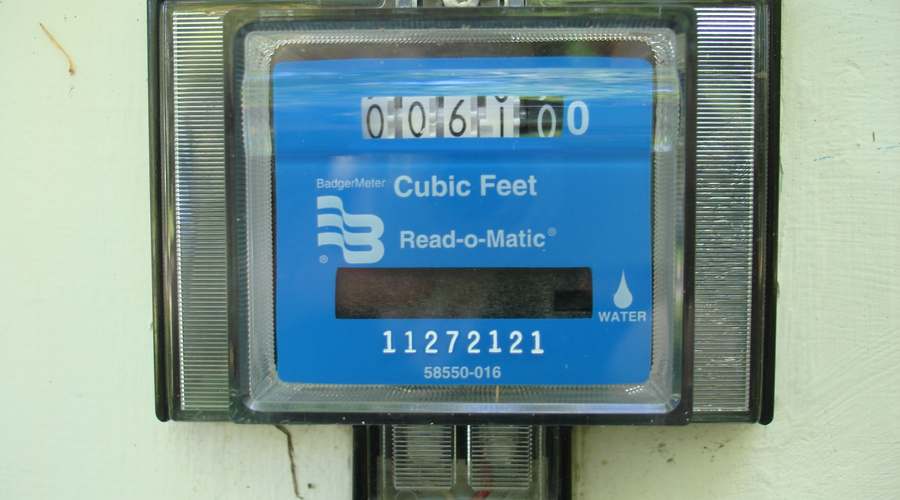
- Find your meter. In Houston it’s usually in a rectangular box under a lid at the curb or near the street edge of your property.
- Read it. Write down the numbers, and look for the leak indicator — a small triangle, star, or spinning dial on the face of the meter. It’s designed to move at even a trickle.
- Wait 30 to 60 minutes with no water used at all.
- Read it again. If the numbers changed, or that little indicator is turning while nothing in your house is on, you have a leak.
Want to narrow it down further? Close your main house shutoff valve and repeat the test. If the meter still moves with the house valve closed, the leak is between the meter and your home — a yard or service-line leak. If it stops, the leak is inside. (Not sure where your valve is? Our guide to shutting off your water main walks you through finding it.)
The Most Common Hidden Leaks — Ranked
Once you know water is escaping, these are the places it usually goes, roughly in order of how often we find them:
- A running or silently leaking toilet. This is the champion of high water bills. A worn rubber flapper lets water seep from the tank into the bowl continuously — often with no sound at all — and can waste hundreds of gallons a day. Drop a few drops of food coloring in the tank, wait 15 minutes without flushing, and if color shows up in the bowl, the flapper is leaking. Our post on why your toilet keeps running covers the fix.
- Dripping faucets and showerheads. Easy to dismiss, but a steady drip adds up to thousands of gallons a year. If you can hear it at night, it’s on your bill.
- Irrigation and outdoor lines. A cracked sprinkler head, a leaking valve, or a busted line under the lawn can dump water for months, and you’d never know — the grass over it just looks a little greener. Check for soggy spots that never dry out.
- The water heater. Tanks corrode from the inside and can weep from the bottom or leak through a failing temperature-and-pressure relief valve. Look for rust, damp concrete, or a persistent trickle at the drain pan.
- A slab leak. The most expensive one to ignore. A supply line under your foundation breaks and pumps water straight into the ground. Warning signs: warm or hot spots on the floor, the sound of running water when everything is off, unexplained damp carpet or buckling flooring, and a bill that climbs with no explanation. Read more in our guide to slab leaks in Houston.
- Failing pipes throughout the house. In older Houston homes with galvanized steel or aging copper, corrosion produces pinhole leaks in multiple places at once. When that starts, spot repairs become a losing game and repiping is the real fix.
What a Leak Really Costs You
The bill is the smallest part of the damage.
Water escaping under a slab washes soil out from beneath your foundation, and in Houston’s clay that can lead to settling, cracked walls, and doors that won’t close — repairs that run into five figures. Water inside walls feeds mold in a matter of days in our humidity. And a leak that’s been running for months has been quietly eroding pipe, drywall, and framing the entire time.
A hundred-dollar spike in your bill is your home telling you something, cheaply, before it tells you expensively.
When to Call a Plumber
Handle the easy stuff yourself: replace a flapper, tighten a supply line, swap a worn faucet cartridge. But call a professional when:
- The meter test shows movement and you can’t find the source after checking toilets and faucets.
- You notice warm spots on the floor, damp carpet, or the sound of running water with everything off.
- Your bill has climbed two or more months in a row.
- You see water stains, mildew smell, or cracks appearing along with the higher bill.
- The leak is under the slab or behind a wall — do not start opening up your own foundation or drywall.
This is exactly what professional leak detection is for. Using acoustic listening equipment, pressure testing, and thermal imaging, a plumber can pinpoint a leak beneath concrete without demolishing your floor to go looking for it. Find it precisely, fix it in one spot, and you’re done. Guess at it, and you’re jackhammering your living room.
How Hugo Plumbing Can Help
At Hugo Plumbing, we’ve spent over 20 years chasing down leaks in Houston homes — the ones under the slab, the ones behind the wall, and the ones hiding in a toilet tank that nobody thought to check. We come out with real leak-detection equipment, locate the problem precisely, and tell you honestly what it will take to fix it. If it’s a $15 flapper, we’ll say so. If it’s a slab leak threatening your foundation, we’ll show you exactly what we found and lay out your options. Either way, you’ll stop paying for water you never used.
Frequently Asked Questions
How do I know if my high water bill is caused by a leak? Run the meter test. Shut off every water fixture in the house, then look at your water meter and write down the reading (or watch the small leak-indicator dial). Wait 30 to 60 minutes without using any water and check it again. If the numbers moved, water is going somewhere it shouldn’t. You have a leak.
What is the most common cause of a high water bill? A running or silently leaking toilet is the number one culprit. A worn flapper can pass hundreds of gallons a day without making a sound, and it often shows up on your bill before you ever notice it. Dripping faucets, leaking irrigation lines, and slab leaks are the other usual suspects in Houston homes.
How much water can a hidden leak actually waste? More than most people expect. The EPA estimates the average household loses about 10,000 gallons a year to leaks, and a bad toilet flapper alone can waste 200 gallons or more per day. That’s why a leak you can’t see or hear can still double your bill.
Can a slab leak make my water bill go up? Yes, and it’s one of the more expensive ways it happens. A slab leak is a break in a water line running under your concrete foundation, so the water escapes into the ground with no visible drip. Warm spots on the floor, the sound of running water with everything off, unexplained damp carpet, or a foundation that’s suddenly shifting all point to a slab leak.
Should I call a plumber or wait to see if the bill goes back down? Don’t wait. A leak never fixes itself, and every month you delay adds to both the bill and the damage, especially under a slab, where water can undermine your foundation. If the meter test shows movement and you can’t find an obvious dripping fixture, a plumber with leak-detection equipment can pinpoint it without tearing your house apart.
Don’t Pay for Water You Never Used
Call or text (713) 409-7176 for a free estimate and a written price.
A spiking water bill is rarely a mystery — it’s a message. Take ten minutes this week to run the meter test, dye-test your toilets, and walk the yard looking for a spot that’s wetter than it should be. If the meter keeps moving with everything shut off, stop guessing and get it found. Hugo Plumbing has served Houston homeowners for over 20 years, and we’ll track down the leak, fix it right, and get your bill back where it belongs. If your drain won’t go, call Hugo.
Explore Our Plumbing Services
See all plumbing services, the areas we serve, or more plumbing tips.