
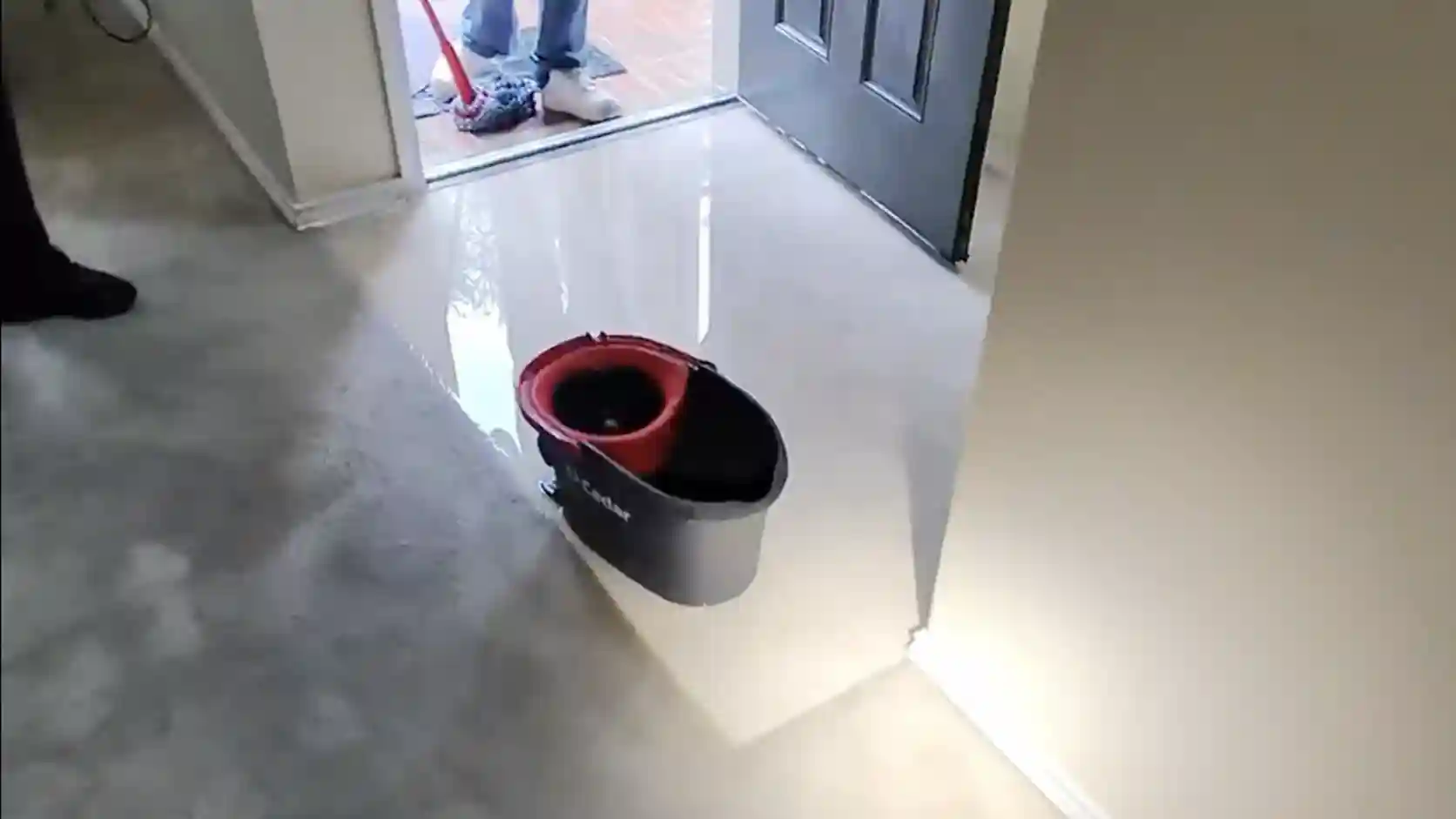
It’s 11:30 at night.
You hear water.
You walk into the bathroom and find it spreading across the floor.
Now you have two questions:
Can this wait until morning?
or
Do I need a plumber right now?
Not every plumbing problem that happens after normal business hours is an emergency.
A dripping faucet at midnight is still a dripping faucet.
But a broken water line sending water through the ceiling is different.
Knowing the difference can help you protect your home without paying for emergency service when it isn’t necessary.
Here’s when Houston homeowners should call a 24-hour plumber, when a problem may be able to wait, and what you can do before the plumber arrives.
What Makes a Plumbing Problem an Emergency?
The time of day isn’t what makes a plumbing problem an emergency.
The risk does.
A plumbing problem deserves urgent attention when delaying service could result in:
- Major water damage
- Sewage contamination
- Damage to walls, ceilings or flooring
- Loss of water to the property
- Damage to electrical systems
- Unsafe living conditions
- Rapidly worsening plumbing failure
The most important question is:
Can you safely stop the problem from getting worse?
If you can shut off one leaking fixture and everything else in the house works normally, you may have time.
If water continues spreading even after you’ve tried to isolate the problem, the situation is much more urgent.
1. A Burst or Broken Water Pipe
A broken pressurized water line is one of the clearest reasons to call a plumber immediately.
Water can move surprisingly fast.
Depending on where the pipe breaks, it can damage:
- Drywall
- Insulation
- Flooring
- Cabinets
- Furniture
- Ceilings
- Electrical components
The first priority isn’t diagnosing why the pipe broke.
It’s stopping the water.
What to Do
If you can safely reach the home’s main shutoff valve:
- Turn off the water.
- Open a faucet to relieve some pressure.
- Move belongings away from the affected area.
- Call a plumber.
Every homeowner should know the location of the main water shutoff before something goes wrong.
If you don’t, read our guide to how to shut off your water main in Houston.
That guide is worth reading before you ever need it.
2. Sewage Backing Up Into the House
A sewage backup is different from a sink that drains slowly.
Wastewater can contain contaminants and create a sanitation problem inside the home.
Warning signs include:
- Sewage coming through a bathtub
- Wastewater rising from a shower drain
- Toilet waste appearing in another fixture
- Sewage coming through a floor drain
- Multiple fixtures backing up together
When this happens, stop using water in the house.
Running additional water can send more wastewater toward the obstruction.
Hugo Plumbing provides sewer line repair in Houston and drain cleaning when a blockage or sewer problem is affecting the drainage system.
3. Multiple Drains Suddenly Backing Up
One clogged sink usually isn’t a whole-house emergency.
Several fixtures backing up together can be a different story.
For example:
- Toilet + bathtub
- Two bathrooms
- Kitchen + floor drain
- Multiple toilets
may indicate a blockage farther down the drainage system.
Here’s an Important Clue
If flushing one toilet causes water to rise somewhere else, pay attention.
The problem may not be at the toilet.
The wastewater may be reaching an obstruction and finding another place to escape.
Our guide to Houston sewer line warning signs explains these symptoms in more detail.
4. An Overflowing Toilet You Cannot Stop
A toilet clog by itself may not require emergency service.
But an overflowing toilet that continues receiving water can quickly damage flooring and nearby rooms.
First Try the Toilet Shutoff
Most toilets have a small shutoff valve on the wall or floor near the fixture.
Turn it clockwise to stop water entering the tank.
If the water stops and you have another functioning bathroom, the repair may be able to wait.
But if:
- The valve doesn’t work
- Water won’t stop
- Sewage is backing up from elsewhere
- Multiple fixtures are involved
the problem deserves more immediate attention.
5. Water Coming Through the Ceiling
Water appearing through a ceiling can be alarming because the source may not be directly above the visible stain.
Possible causes include:
- Plumbing supply leak
- Drain leak
- Upstairs bathroom
- Water heater
- HVAC condensate system
- Roof leak
If the water is actively spreading, don’t ignore it.
First Question: Is Plumbing Being Used Above?
If water appears every time someone:
- Takes a shower
- Flushes a toilet
- Uses a sink
that pattern can help identify whether a drain or fixture may be involved.
If water continues even when nobody is using plumbing, a pressurized line may be leaking.
If you can’t identify the source, Hugo Plumbing provides leak detection in Houston.
6. A Water Heater Is Actively Leaking
Not every drop of water near a water heater means the tank has failed.
Leaks can sometimes originate from:
- Connections
- Valves
- Nearby piping
But water coming directly from a failed tank can become a serious problem quickly.
Watch for:
- Water accumulating around the tank
- Rapidly spreading water
- Visible tank corrosion
- Water coming from the body of the tank
- A leak you cannot isolate
If the tank itself has failed, replacing a valve or tightening a connection won’t repair the storage tank.
See our guide to water heater repair vs. replacement in Houston for the difference.
Hugo Plumbing also provides water heater repair and installation.
7. You Cannot Shut Off the Water
A manageable leak becomes much more urgent when you have no practical way to stop it.
Imagine a supply line breaks beneath a sink.
Normally, you could close the fixture’s shutoff valve.
But what if:
- The valve is frozen
- The valve breaks
- There is no accessible shutoff
- The main shutoff doesn’t work
Now water may continue flowing until someone can isolate the system.
That’s a good example of when waiting several hours can create unnecessary damage.
8. A Suspected Slab Leak Is Causing Active Damage
Not every suspected slab leak requires a plumber at midnight.
Many slab leaks develop gradually.
Symptoms can include:
- Higher water bills
- Warm flooring
- Running-water sounds
- Reduced pressure
- Meter movement
Those symptoms usually justify diagnosis, but they don’t automatically mean the home is flooding.
However, the situation becomes more urgent if:
- Water is actively entering the home
- Flooring is becoming saturated
- Water usage is extremely high
- You cannot isolate the leaking line
If you’re seeing early warning signs rather than an active emergency, read our guide to slab leak warning signs in Houston.
For professional diagnosis, Hugo Plumbing provides slab leak detection and repair.
9. Water Is Near Electrical Equipment
Water and electricity create an additional safety concern.
Be especially cautious if water is spreading near:
- Electrical outlets
- Breaker panels
- Appliances
- Wiring
- Powered equipment
Do not stand in water and attempt to operate electrical equipment.
When a plumbing leak creates an electrical hazard, protecting people comes before protecting property.
What Plumbing Problems Can Usually Wait Until Morning?
Not every problem needs an emergency plumber.
A repair may often be scheduled during normal hours when the issue is contained and isn’t creating additional damage.
Examples can include:
A Slow Drain
If one sink or shower drains slowly but isn’t overflowing, it may not require emergency service.
For recurring drain problems, see our professional drain cleaning services.
A Dripping Faucet
Annoying?
Yes.
Usually a midnight emergency?
No.
If the water is contained in the sink and the faucet is simply dripping, scheduling normal service is generally reasonable.
One Toilet Is Clogged
If you have another working bathroom and the clogged toilet isn’t overflowing, stop using it and schedule service.
A Garbage Disposal Stopped Working
A broken garbage disposal is inconvenient, but unless it’s causing active flooding or a serious drainage problem, it usually doesn’t require after-hours service.
Our guide to common garbage disposal problems may help you understand what happened.
No Hot Water
No hot water is uncomfortable.
But in many residential situations, it isn’t the same level of emergency as water flooding the home or sewage backing up.
You can start with our no hot water troubleshooting guide.
What About a Clogged Kitchen Sink?
A kitchen sink that won’t drain doesn’t automatically require a 24-hour plumber.
If:
- The water stays contained
- Nothing is overflowing
- Other drains work normally
you may be able to stop using the sink and schedule service.
The situation changes when:
- Water is overflowing
- Several drains are affected
- Sewage is involved
- The backup returns through another fixture
For simple first steps, see our guide to what to do when your Houston kitchen sink is clogged.
Emergency Plumbing Decision Test
When you’re unsure whether to call immediately, ask these five questions.
1. Is Water Actively Damaging the Home?
If yes, treat the problem more urgently.
2. Can I Stop the Water?
If you can isolate one fixture, the situation may be manageable.
If you cannot stop the water, urgency increases.
3. Is Sewage Involved?
If wastewater is entering the living space, stop using the plumbing and get help.
4. Are Multiple Fixtures Affected?
One fixture often points toward a local problem.
Several fixtures can indicate a larger drain or sewer issue.
5. Will Waiting Several Hours Make the Damage Worse?
This may be the most useful question of all.
If the answer is clearly yes, calling now may prevent a much larger repair.
What to Do Before the Plumber Arrives
If you’ve decided the problem requires emergency service, there are several things you may be able to do safely.
Shut Off the Water
Use the fixture shutoff when possible.
Use the main water shutoff when necessary.
Stop Using Plumbing
Especially during a sewer backup.
Every gallon you send down a drain has to go somewhere.
Move Belongings
Move furniture, boxes and other items away from spreading water when it is safe to do so.
Take Pictures
Document visible damage.
This can also help show the plumber what was happening before conditions changed.
Tell the Plumber Exactly What Happened
Useful details include:
- Which fixture started the problem
- Whether water is still flowing
- Whether you shut off the main
- Whether sewage is involved
- Which other fixtures are affected
- When the problem started
The more specific the information, the easier it is to understand the situation before arrival.
Don’t Keep Using a Drain That’s Backing Up
Homeowners sometimes make a drainage problem worse by repeatedly testing it.
They flush the toilet again.
Run the sink.
Start the washing machine.
Then watch to see whether the water goes down.
If you already know the drainage system is backing up, stop adding water.
More water doesn’t help clear a serious obstruction.
It can simply create more wastewater behind the blockage.
Why Emergency Plumbing Diagnosis Matters
The visible symptom doesn’t always identify the actual problem.
A toilet overflow may actually originate from a main sewer obstruction.
A ceiling stain may come from a supply pipe several feet away.
Water near the water heater may originate from a plumbing connection instead of the tank.
That’s why the objective isn’t simply:
Stop the visible symptom.
It’s:
Identify what actually failed.
Emergency Plumber vs. Regular Plumbing Appointment
The plumbing work itself may be similar.
The difference is urgency.
A regular appointment works well when:
- The problem is contained
- Damage isn’t increasing
- Water can be isolated
- The home remains usable
Emergency service is appropriate when delaying the repair creates unnecessary risk.
Don’t base the decision only on the clock.
Base it on what the plumbing is doing.
How Hugo Plumbing Handles Plumbing Emergencies
When something suddenly goes wrong, the first objective is to stop the problem from causing more damage.
Then determine what failed.
Hugo Plumbing provides emergency plumbing services in Houston for urgent plumbing problems including active leaks, major backups and other situations that shouldn’t wait.
Depending on the cause, the repair may also involve:
The important part is determining which service the plumbing actually needs.
Frequently Asked Questions
When should I call a 24-hour plumber?
Call a 24-hour plumber when the problem is actively causing significant water damage, sewage is backing up into the home, a major water line has broken, you cannot stop an overflowing fixture, or the plumbing problem creates a health or property risk that should not wait until normal business hours.
Can a clogged drain wait until morning?
A single slow or clogged drain can often wait if no water is overflowing and other fixtures are working normally.
However, multiple fixtures backing up, sewage entering the home, or wastewater rising from tubs or floor drains can indicate a main sewer blockage that requires faster attention.
Is a leaking water heater a plumbing emergency?
A small drip may not always require after-hours service.
Active leaking from the tank, rapidly spreading water, or an inability to stop the water supply can make the situation urgent.
If the tank itself has failed, it generally cannot be repaired like a loose fitting or valve.
What should I do before an emergency plumber arrives?
If it is safe to do so, stop using the affected fixture, close the local shutoff valve or main water supply when necessary, keep people away from contaminated wastewater, protect belongings from spreading water, and avoid using electrical equipment near wet areas.
Is every plumbing problem at night an emergency?
No.
The time of day does not make a plumbing problem an emergency.
The important factors are whether water or sewage is actively damaging the property, whether the problem can be safely isolated, and whether waiting could create a larger health or property risk.
When Waiting Until Morning Isn’t Worth the Risk
A plumbing problem doesn’t become an emergency because it happened at midnight.
It becomes an emergency when waiting makes the situation worse.
A slowly dripping faucet can probably wait.
Water pouring through the ceiling shouldn’t.
One clogged bathroom sink may be manageable.
Sewage coming through a bathtub isn’t.
When you’re unsure, focus on three things:
Can you stop it?
Is the damage increasing?
Is sewage involved?
If the problem can’t be safely controlled or your property is actively being damaged, contact Hugo Plumbing for emergency plumbing service in Houston.
📞 (713) 409-7176
Houston has trusted Hugo Plumbing since 1998.
If Your Drain Won’t Go, Call Hugo.
If your drain won’t go, call Hugo.
Explore Our Plumbing Services
See all plumbing services, the areas we serve, or more plumbing tips.