
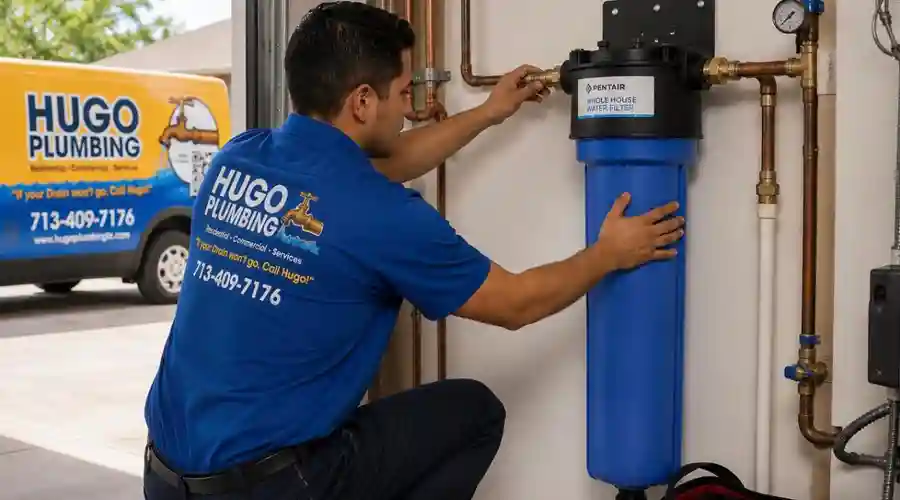
Building a new home or commercial property gives you something you don’t have during most plumbing repairs:
the opportunity to plan the plumbing correctly before the walls close.
That makes the plumber you choose during construction especially important.
A new construction plumber isn’t simply installing faucets and toilets at the end of the project.
The plumbing system begins much earlier.
Before concrete is poured, walls are closed or cabinets are installed, decisions may already need to be made about:
- Water supply
- Drain lines
- Sewer connections
- Venting
- Fixture locations
- Water heater location
- Plumbing penetrations
- Shutoff valves
- Future service access
A mistake during planning can become much more difficult to correct after construction is finished.
If you’re building in Houston, here’s what a new construction plumber does, when plumbing should be planned and what builders and property owners should consider before choosing a contractor.
What Does a New Construction Plumber Do?
A new construction plumber installs the plumbing infrastructure for a new building.
Depending on the project, that can include:
- Water service
- Water distribution piping
- Drain and waste piping
- Plumbing vents
- Sewer connections
- Bathroom plumbing
- Kitchen plumbing
- Laundry connections
- Water heater piping
- Hose bibs
- Fixture connections
- Shutoff valves
- Plumbing for specialty equipment
The work happens in stages.
The plumber may be involved before the foundation is completed and return several times as construction progresses.
New Construction Plumbing Starts Before the Fixtures
Homeowners often picture plumbing as:
- Faucets
- Toilets
- Sinks
- Showers
Those are the visible parts.
Most of the plumbing system is hidden.
Behind the walls and underneath the building are pipes responsible for bringing water into the property and carrying wastewater away.
That means some of the most important plumbing decisions happen long before anyone installs a faucet.
Stage 1: Planning the Plumbing System
Before installation begins, the plumbing layout needs to match the building plans.
The plumber may review locations for:
- Kitchens
- Bathrooms
- Utility rooms
- Water heaters
- Laundry equipment
- Outdoor plumbing
- Mechanical equipment
The goal is to determine practical routes for water, drains and vents.
Good planning can help prevent conflicts with:
- Structural framing
- HVAC
- Electrical
- Cabinets
- Concrete
- Other mechanical systems
Construction is much easier when trades coordinate before everything is installed.
Why Fixture Location Matters
Moving a sink on a drawing is easy.
Moving its drain after concrete has been poured is different.
The same applies to:
- Toilets
- Showers
- Bathtubs
- Kitchen islands
- Laundry rooms
Every fixture needs appropriate plumbing connections.
Changing the layout later can potentially require:
- Opening concrete
- Moving drains
- Changing water lines
- Modifying walls
- Reworking other trades
That’s why plumbing should be part of the design conversation early.
Stage 2: Underground Plumbing
For certain slab-on-grade construction, portions of the plumbing may need to be installed before the concrete slab is poured.
This can include drain and waste piping located beneath the building.
At this stage, accuracy is especially important.
Once the concrete covers the plumbing, correcting an improperly located pipe becomes much more disruptive.
The underground layout needs to correspond with the planned locations of plumbing fixtures above.
Houston Homes and Slab Foundations
Many Houston homes use slab-on-grade construction.
That makes the placement and installation of underground plumbing particularly important.
Years later, a plumbing problem beneath the slab can require specialized diagnosis.
We’ve covered the warning signs separately in our guide to slab leaks in Houston homes.
Hugo Plumbing also provides slab leak detection and repair when an existing home develops a suspected underground plumbing leak.
But during new construction, the objective is to install the plumbing correctly from the beginning.
Stage 3: Plumbing Rough-In
After the structure reaches the appropriate stage, the plumbing rough-in can begin.
This generally involves installing much of the piping that will eventually be hidden behind finished surfaces.
That may include:
- Hot-water piping
- Cold-water piping
- Drain piping
- Vent piping
- Fixture connections
- Valve locations
At this point, you can start seeing how the future plumbing system will actually work.
What Is Rough-In Plumbing?
“Rough-in” is a common construction term.
It generally refers to installing the major plumbing components before the final fixtures and finishes are installed.
Instead of seeing a finished sink, you may see piping positioned where the future sink will connect.
Instead of a finished shower valve and trim, the plumbing inside the wall is being prepared.
Once walls and finishes cover these systems, accessing them becomes more difficult.
That makes this stage critical.
Stage 4: Water Heater Planning
The water heater should not be treated as an afterthought.
Several decisions may need to be considered:
- Tank vs. tankless
- Equipment location
- Hot-water demand
- Plumbing routes
- Venting requirements where applicable
- Drainage
- Service access
Water heaters need to serve the property’s actual demand.
A small property and a large home with several bathrooms may require very different solutions.
If you’re comparing equipment types, our guide to standard vs. tankless water heaters explains some of the differences.
For existing Houston properties, Hugo Plumbing also provides water heater repair and installation.
Stage 5: Fixture Installation
As construction nears completion, the visible plumbing starts appearing.
That can include:
- Toilets
- Sinks
- Faucets
- Showers
- Bathtubs
- Garbage disposals
- Water heaters
- Other plumbing fixtures
This is the stage homeowners notice most.
But successful fixture installation depends on the work performed months earlier.
The plumbing behind the wall needs to be in the correct location for the fixture in front of it.
Residential New Construction Plumbing
New-home plumbing involves more than simply duplicating the plumbing found in older houses.
Construction gives homeowners an opportunity to think about how they will actually use the property.
For example:
- Where should hose bibs be located?
- Does the kitchen need additional plumbing?
- Will there be an outdoor kitchen?
- Is there a second laundry area?
- Will the home use a tankless water heater?
- Are bathrooms located far from the water heater?
- Will a future addition need plumbing?
- Does the garage need water access?
Planning these details during construction is generally easier than adding them afterward.
Commercial New Construction Plumbing
Commercial properties may have significantly different requirements depending on their use.
A restaurant, office, warehouse and retail space don’t have identical plumbing needs.
Commercial projects may involve:
- Multiple restrooms
- Employee facilities
- Specialty sinks
- Equipment connections
- Floor drains
- Water heaters
- Larger water demand
- Additional drainage requirements
The plumbing contractor needs to understand the scope before installation begins.
Builder and Plumber Coordination
Communication is one of the most important parts of new construction.
The plumber doesn’t work alone.
Plumbing may interact with:
- Concrete
- Framing
- Electrical
- HVAC
- Cabinets
- Countertops
- Tile
- Roofing
- Other trades
Imagine a plumbing vent being placed where a structural member needs to go.
Or a drain appearing where a cabinet installer expects open space.
These problems are easier to solve on plans than on a nearly finished building.
Common New Construction Plumbing Mistake #1: Planning Too Late
One of the easiest mistakes is waiting too long to involve the plumbing contractor.
By the time plumbing is considered, other decisions may already limit the options available.
Early coordination gives the project team more flexibility.
Common Mistake #2: Moving Fixtures Without Updating Plumbing Plans
Construction designs change.
A homeowner decides to move the kitchen island.
A shower gets larger.
A bathroom layout changes.
Those changes may also affect:
- Drain locations
- Water supply
- Venting
- Framing
If the architectural change isn’t communicated to the plumber, the old plumbing location may remain.
Common Mistake #3: Choosing Fixtures Too Late
Certain plumbing fixtures have specific installation requirements.
Before walls and plumbing connections are finalized, it’s useful to know what type of fixture will eventually be installed.
Examples include:
- Freestanding tubs
- Wall-mounted faucets
- Specialty showers
- Tankless toilets
- Large kitchen sinks
The rough-in needs to work with the final fixture.
Common Mistake #4: Ignoring Future Access
Plumbing equipment eventually requires service.
A beautiful installation isn’t helpful if a valve or component can’t be reached later.
When planning mechanical and plumbing spaces, think beyond construction day.
Ask:
Can someone service this system five or ten years from now?
Common Mistake #5: Focusing Only on the Lowest Bid
Construction costs matter.
But plumbing is one of the building systems where installation mistakes can remain hidden until years later.
When comparing proposals, determine whether you’re actually comparing the same work.
A plumbing bid should make the scope reasonably clear.
Ask:
- What’s included?
- What’s excluded?
- Who supplies fixtures?
- Who handles permits?
- Which plumbing material is being used?
- Is final fixture installation included?
- Is the water heater included?
- Are exterior plumbing connections included?
A lower price can simply mean a smaller scope.
What Should You Look for in a New Construction Plumber?
When evaluating a plumbing contractor for a Houston construction project, consider more than whether someone can install pipe.
Look for a contractor who can:
Read and Understand the Project
New construction requires working from plans and coordinating the plumbing with the building.
Communicate With Other Trades
Construction changes constantly.
Good communication helps prevent small changes from becoming expensive mistakes.
Plan Ahead
Plumbing installed today needs to work with walls, cabinets and fixtures being installed later.
Explain the Scope
You should know what the plumbing proposal includes.
Complete Multiple Construction Stages
New construction plumbing isn’t one service visit.
The plumber may need to return during different phases of the project.
Questions to Ask a New Construction Plumber
Before choosing a contractor, ask:
- Are you licensed and insured?
- What new construction work have you performed?
- Can you work from construction plans?
- Who coordinates with the builder and other trades?
- What plumbing stages are included?
- Who supplies fixtures?
- Is fixture installation included?
- Is the water heater included?
- How are project changes handled?
- What inspections are required?
- What is excluded from the proposal?
- What warranty applies to the plumbing work?
These questions help you compare scope instead of comparing only price.
New Construction Plumbing vs. Plumbing Repair
New construction and service plumbing require overlapping skills but involve different workflows.
Service Plumbing
Starts with an existing problem.
The plumber diagnoses something like:
- Leak
- Clogged drain
- Broken water heater
- Sewer problem
- Low water pressure
Then repairs it.
New Construction Plumbing
Starts with plans.
The goal is to create an entire plumbing system that doesn’t exist yet.
That requires more coordination with construction schedules and other trades.
Hugo Plumbing works with Houston homeowners, builders and developers on plumbing projects in addition to our everyday plumbing services.
What About Plumbing for Home Additions?
An addition isn’t exactly the same as building an entire new home, but many of the same planning principles apply.
For example, adding a:
- Bathroom
- Kitchen
- Laundry room
- Guest house
may require new:
- Water lines
- Drain lines
- Venting
- Fixture connections
The new plumbing also needs to integrate correctly with the existing system.
Before designing the addition around a fixture location, determine how practical it will be to connect that fixture to the plumbing.
Plan for Maintenance Before the House Is Finished
Another advantage of new construction is the ability to make future maintenance easier.
Consider access to:
- Main water shutoff
- Fixture shutoffs
- Water heater
- Cleanouts
- Plumbing equipment
A homeowner shouldn’t have to discover during an emergency that the main water shutoff is impossible to reach.
Our guide to shutting off the water main in a Houston home is one of the most frequently discovered articles on our site.
Planning accessible shutoffs during construction can make future emergencies much easier to control.
Think About Drain and Sewer Access
Every drainage system eventually needs maintenance.
Accessible cleanouts can make future diagnosis and drain cleaning easier.
If an existing Houston home develops a blockage, Hugo Plumbing provides drain cleaning and sewer line repair.
During new construction, proper planning can help make those systems easier to service later.
Should You Plan for Future Plumbing?
Sometimes.
If you already expect to add something later, mentioning it during construction may create options that are easier to implement now.
Examples might include:
- Outdoor kitchen
- Additional bathroom
- Garage sink
- Second laundry area
- Future addition
Not every future possibility needs plumbing installed immediately.
But the construction team should at least know about realistic future plans before walls and concrete eliminate easy access.
When Should You Hire the Plumbing Contractor?
Ideally, before plumbing installation becomes urgent.
The contractor should have enough time to:
- Review the project
- Understand the plumbing scope
- Identify potential conflicts
- Coordinate the schedule
- Plan material and labor requirements
Waiting until another trade needs the plumbing completed immediately creates unnecessary pressure.
How Hugo Plumbing Can Help With New Construction in Houston
Hugo Plumbing provides plumbing services for Houston homeowners, builders and project developers.
For new construction projects, the objective is to build the system correctly from the beginning.
That means thinking about more than today’s fixture installation.
The plumbing needs to:
- Work with the building design
- Serve the property’s water demand
- Drain correctly
- Coordinate with other trades
- Remain accessible for future service
Whether you’re building a new home, planning an addition or developing another property in the Houston area, plumbing should be part of the project before the walls close.
Explore Hugo Plumbing’s plumbing services or contact us to discuss your construction project.
Frequently Asked Questions
What does a new construction plumber do?
A new construction plumber installs the water supply, drain, waste, vent, fixture connections, water heater piping and other plumbing systems required in a newly built property.
The plumber typically coordinates with builders and other trades throughout different stages of construction.
When should a plumber be involved in a new construction project?
Plumbing should be considered during the planning stages because fixture locations, drain routes, water supply lines, venting and equipment placement can affect the foundation, framing and other parts of the building.
Involving the plumbing contractor early can help identify conflicts before construction reaches later stages.
What is rough-in plumbing in new construction?
Plumbing rough-in generally refers to installing much of the water, drain and vent piping before finished walls, cabinets and fixtures are installed.
Exact project sequencing can vary depending on the building and local requirements.
Does new construction plumbing include installing fixtures?
A new construction plumbing scope can include connections and installation for toilets, faucets, sinks, showers, tubs, water heaters and other plumbing fixtures.
The exact scope should be clearly defined in the plumbing proposal and construction plans.
How do I choose a new construction plumber in Houston?
Look for a properly licensed and insured plumbing contractor with experience coordinating construction projects, reading plans, communicating with builders and other trades, planning plumbing routes and completing the different stages of new construction plumbing.
Build the Plumbing Right the First Time
Most plumbing repairs begin after something goes wrong.
New construction gives you the opportunity to do the opposite.
You can plan:
- Where pipes go
- How fixtures connect
- Where shutoffs are located
- How equipment will be serviced
- How the system works with the rest of the building
before everything disappears behind concrete and drywall.
If you’re planning a new home, addition or construction project in Houston, talk with Hugo Plumbing about the plumbing system before the project reaches the stage where changes become expensive.
📞 (713) 409-7176
Houston has trusted Hugo Plumbing since 1998.
If Your Drain Won’t Go, Call Hugo.
If your drain won’t go, call Hugo.
Explore Our Plumbing Services
See all plumbing services, the areas we serve, or more plumbing tips.