
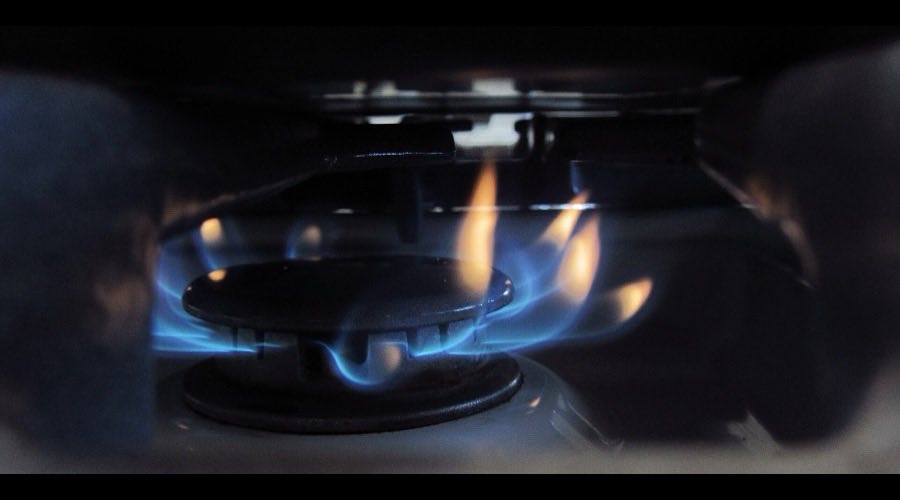
Natural gas has no smell of its own. The rotten-egg odor is a chemical called mercaptan that the utility adds precisely so you’ll notice a leak — and if you’re noticing it now, stop reading and do the first section. The rest can wait until you’re outside.
The First 60 Seconds
- Get out. Everyone, including pets. Leave the door open behind you.
- Don’t touch anything electrical. No light switches on or off, no garage door opener, no phone calls from inside, no starting the car in an attached garage. A spark is what turns a leak into an explosion.
- Don’t look for the leak. That’s someone else’s job.
- From outside, away from the house, call the gas utility’s emergency line or 911. In most of the Houston area the gas utility is CenterPoint Energy; the emergency number is on your bill and their website. They respond around the clock, and the check is free.
- Stay out until the utility tells you it’s safe. Warn neighbors if the smell is strong outdoors.
If the smell is faint and clearly coming from a stove burner someone left on, turn the knob off, open a window, and step outside for a few minutes — that’s the one exception. Anything you can’t explain in two seconds: leave and call.
Is It Gas or Sewer Gas?
Both smell like rotten eggs, and confusing them is common. Natural gas is strongest near the range, water heater, furnace, dryer, the meter, or along the gas line, and often comes with a faint hiss. Sewer gas is strongest at drains, in bathrooms, or near a toilet, and often gets worse when it rains. If it’s clearly the drain, see why your house smells like sewer. If there’s any doubt at all, treat it as natural gas.
What Happens Next
Once the utility arrives they check with a detector, and if they find a leak they shut off the gas at the meter and lock it. From that point the utility will not turn it back on until three things happen:
- A licensed plumber repairs the leak. Gas piping is plumbing work in Texas and requires a licensed plumber.
- The plumber pressure-tests the whole system. The house piping is isolated, charged with air, and watched on a gauge to confirm it holds — this catches any other leak the detector didn’t reach.
- The city inspects. The plumber pulls a permit, the inspector verifies the test and the repair, and signs off. The utility then reconnects and relights your appliances.
Hugo Plumbing does all three: gas leak repair, pressure test, permit, and inspection, and we coordinate with the utility so you’re without gas for as little time as possible. Call or text (713) 409-7176 as soon as the utility has shut things off.
Where Leaks Usually Come From
- Old black-iron fittings that have corroded or worked loose, especially in attics and crawl spaces.
- Flexible appliance connectors behind the range or dryer — old brass connectors, kinked lines, or a connector that was moved when the appliance was pulled out to clean.
- Appliance gas valves on water heaters and furnaces that have failed internally.
- CSST (yellow flexible gas tubing) damaged by a nail, a rodent, or a lightning strike — CSST must be bonded to the electrical system for exactly this reason.
- Stove knobs bumped partway open, or a pilot that went out.
- Buried yard lines to a pool heater, grill, or generator nicked by fence posts, tree roots, or digging. Always call Texas 811 before you dig.
Most repairs are a fitting, a connector, or a short section of pipe. The pressure test is what turns “we fixed the one we found” into “the system is tight.”
Preventing the Next One
- Have gas appliances serviced and the connectors checked when they’re installed or moved.
- Install combination smoke and CO detectors near bedrooms and on each level. CO is the silent cousin of a gas leak.
- Know where your meter shutoff is (the valve on the pipe entering the meter, turned a quarter-turn with a wrench so the handle is crosswise to the pipe) — but only use it if the utility tells you to; once it’s off, it takes a plumber and an inspection to turn it back on.
- If you’re adding a generator, outdoor kitchen, or gas range, have the line sized and installed by a licensed plumber with a permit. Our gas line page covers what that involves.
Frequently Asked Questions
What should I do if I smell gas in my house?
Leave immediately and take everyone, including pets, with you. Do not turn lights or appliances on or off, do not use a phone inside, do not start a vehicle in an attached garage, and do not try to find the leak. Once outside and away from the house, call your gas utility’s emergency line or 911. Do not go back in until the utility says it is safe.
Should I open windows if I smell gas?
If you are already on your way out and a window is at hand, opening it is fine, but do not stay inside to ventilate the house, and never operate the exhaust fan, the range hood, or any switch to do it. Getting out and calling from outside matters far more than airing out the room.
Why does my house smell like gas but there is no leak?
A faint gas smell can come from a pilot light that went out, a burner that was turned on without lighting, a new appliance burning off manufacturing residue, or a sewer gas problem that smells similar. Sewer gas is often strongest at drains and worse in bathrooms; natural gas is strongest near gas appliances, the meter, or along the gas line. When in doubt, treat it as gas: leave and call the utility. They will check for free.
How does gas get turned back on after the utility shuts it off?
In Houston the utility will not restore service until a licensed plumber has repaired the leak, pressure-tested the entire gas system to confirm it holds, and the city has inspected and approved the work. The plumber pulls the permit, schedules the inspection, and the utility reconnects and relights appliances once the inspection passes. Hugo Plumbing handles the repair, test, permit, and inspection and coordinates the reconnection.
What are the most common causes of a gas leak in a house?
Corroded or loose fittings on older black-iron piping, failed flexible appliance connectors behind ranges and dryers, a water heater or furnace gas valve that has failed, damage to CSST from lightning or a nail, a stove knob bumped partly open, and buried yard lines nicked during digging or fence work. Most are inexpensive to repair once found; the pressure test is what confirms nothing else is leaking.
Gas leaks are rare, and the utility’s response is fast and free. Get out, call from outside, and let the licensed people handle the rest. If your gas won’t go, call Hugo.
Explore Our Plumbing Services
See all plumbing services, the areas we serve, or more plumbing tips.