
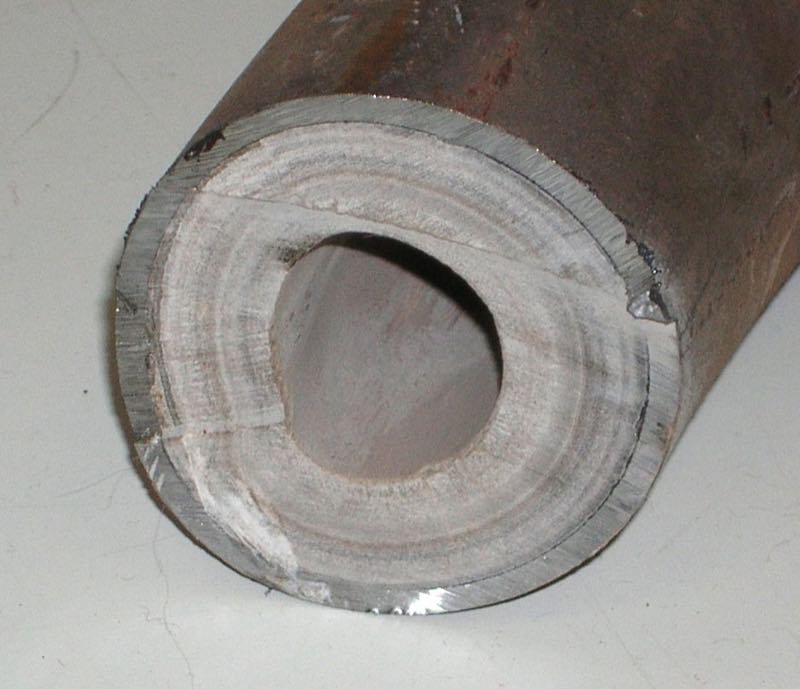
If your faucets are crusty with white buildup, your water heater is groaning, or your “clean” glasses come out of the dishwasher spotted, you’re not imagining it — you’re living with hard water. And in Houston, that’s the rule, not the exception. Houston’s tap water is among the hardest in Texas, and over the years it quietly works against the pipes, fixtures, and appliances in your home. Here’s what hard water actually is, why it does so much damage, and what you can do to protect your plumbing.
What Makes Water “Hard”?
Hard water simply means water with a high concentration of dissolved minerals — mostly calcium and magnesium. Water picks these up as it moves through soil and rock on its way to your tap. The more it carries, the “harder” it is.
Hardness is measured in grains per gallon (gpg). Anything above about 7 gpg is considered hard, and above 10 gpg is very hard. Houston’s water often tests around 9 to 12 grains per gallon — firmly in the hard-to-very-hard range. That mineral load is harmless to drink, but it’s tough on everything water touches inside your home.
Why Houston’s Water Is So Hard
Houston draws much of its water from surface sources like Lake Houston, Lake Conroe, and the Trinity River, supplemented by groundwater. As that water travels across and through the mineral-rich limestone and clay of the Texas Gulf Coast, it dissolves calcium and magnesium along the way. By the time it reaches your home, it’s carrying a heavy mineral load — and unlike a one-time problem, it arrives that way every single day, year after year. That constant exposure is what makes hard water such a slow, persistent threat to Houston plumbing.
7 Signs You Have a Hard Water Problem
Hard water leaves clues all over the house. Watch for these:
- Chalky white buildup on faucets and showerheads. That crusty residue is limescale — dried mineral deposits — and it’s the most obvious sign.
- Spots and film on dishes and glassware. If clean dishes come out cloudy or spotted, hard water minerals are the culprit.
- Soap that won’t lather. Hard water reacts with soap, so you use more of it and still feel a filmy residue on your skin and hair.
- Stiff, scratchy laundry. Minerals trapped in fabric leave clothes and towels feeling rough even after washing.
- Reduced water pressure. As scale builds up inside pipes and fixtures, it narrows the path water flows through and pressure drops.
- A water heater that’s louder or slower than it used to be. Sediment buildup makes heaters pop, rumble, and work harder to heat the same amount of water.
- Frequent fixture and appliance repairs. Dishwashers, washing machines, and ice makers all wear out faster on hard water.
If two or three of these sound familiar, hard water is almost certainly costing you money already.
How Hard Water Damages Your Plumbing
The trouble with hard water is that the damage happens where you can’t see it — inside your pipes and appliances — and it compounds over time.
- Scale buildup inside pipes. Every time hard water flows through your lines, it leaves a thin mineral coating behind. Over years, that scale thickens, narrows the pipe, restricts flow, and can eventually contribute to clogs and corrosion. In older galvanized lines, the damage adds up fast.
- Water heater sediment. Your water heater is hard water’s number-one victim. Minerals settle to the bottom of the tank, forming a crust that insulates the burner or element from the water above it. The result: higher energy bills, less hot water, popping and rumbling sounds, and a heater that fails years earlier than it should. If you’re already noticing trouble, our water heater repair and installation team can help.
- Worn-out fixtures. Faucets, showerheads, valves, and aerators clog and corrode under constant mineral exposure, leading to drips, weak flow, and replacements you shouldn’t have needed yet.
- Strained appliances. Dishwashers, washing machines, ice makers, and tankless heaters all run mineral-laden water through small internal passages that scale up and fail.
When scale has been building for decades, the pipes themselves may be near the end of their life. In those cases, whole-home repiping restores flow and reliability far better than patching one failure at a time.
What You Can Do About Hard Water
The good news: hard water is very manageable once you know how to tackle it.
- Install a whole-home water softener. This is the single most effective fix. A softener removes calcium and magnesium before the water enters your plumbing, protecting every pipe, fixture, and appliance in the house. It also makes soap lather better and leaves skin and laundry softer.
- Flush your water heater annually. Draining the sediment out of your tank once a year preserves efficiency and extends its life — especially important on hard water.
- Descale fixtures regularly. Soaking showerheads and aerators in vinegar dissolves limescale and restores flow as a stopgap between bigger fixes.
- Address aging pipes head-on. If hard water has already taken a toll on old lines, repiping or targeted repairs prevent the surprise failures and water damage that come with worn-out plumbing. When a hidden leak is the concern, professional leak detection pinpoints the problem before it spreads.
How Hugo Plumbing Can Help
At Hugo Plumbing, we’ve spent over 20 years helping Houston homeowners fight back against hard water. We can test your water, recommend and install the right softening system for your home, flush and service your water heater, and repair or replace the pipes and fixtures that hard water has worn down. Because we know exactly how Houston’s water behaves, we focus on fixes that actually last — not quick patches that scale right back up.
Frequently Asked Questions
Is Houston’s water hard? Yes. Houston’s tap water typically tests in the hard to very hard range, often around 9 to 12 grains per gallon. That’s enough mineral content to leave scale on fixtures, build up inside pipes, and shorten the life of your water heater.
Will a water softener help with hard water in Houston? A whole-home water softener is the most effective long-term fix. It removes the calcium and magnesium that cause scale before the water reaches your pipes and appliances, which protects your plumbing and improves the feel of your water. Hugo Plumbing can recommend and install the right system for your home.
Can hard water ruin my water heater? Over time, yes. Hard water leaves a layer of mineral sediment at the bottom of the tank that insulates the heating element, drives up energy use, and leads to early failure. Annual flushing helps, but homes on hard water see the biggest benefit from softening the water at the source.
Don’t Let Hard Water Wear Down Your Home
Call or text (713) 409-7176 for a free estimate and a written price.
Hard water works slowly, but it never stops — and in Houston, it’s something every homeowner is up against. The sooner you treat it, the more pipes, fixtures, and appliances you save. If you’re seeing chalky buildup, fading water pressure, or a struggling water heater, Hugo Plumbing is ready to help you get ahead of it. If your drain won’t go, call Hugo.
Explore Our Plumbing Services
See all plumbing services, the areas we serve, or more plumbing tips.