
Most of the year, freezing pipes are the last thing on a Houston homeowner’s mind. Then a hard freeze rolls in off the plains, temperatures crash into the teens, and thousands of homes that were never built for that kind of cold start bursting pipes all at once. The February 2021 freeze made that lesson unforgettable. The good news: a little preparation goes a long way, and knowing what to do in the moment can mean the difference between a minor inconvenience and a flooded home. Here’s how to protect your pipes and your home.
Why Houston Pipes Are So Vulnerable
In colder climates, homes are built with pipes buried deep and heavily insulated against the cold. Houston homes aren’t — our pipes often run through uninsulated attics, garages, and exterior walls because, most winters, they never need protection. That’s exactly what makes a rare hard freeze so dangerous here. When water freezes, it expands, and that expansion builds enormous pressure inside the pipe. The pipe doesn’t usually burst where the ice is — it bursts at a weak point downstream, where the trapped, pressurized water has nowhere to go.
Before a Freeze: How to Protect Your Pipes
When a freeze is in the forecast, take these steps a day ahead:
- Cover outdoor faucets and exposed pipes. Insulate hose bibs with foam covers or wrap them with towels and plastic. Disconnect and drain garden hoses so water can’t freeze back into the spigot.
- Insulate pipes in unheated areas. Foam pipe sleeves on lines in the attic, garage, and crawl space are cheap insurance and take minutes to install.
- Let faucets drip. Open a few faucets — especially ones on exterior walls — to a slow trickle. Moving water is much harder to freeze, and the open faucet relieves pressure.
- Open cabinet doors. Let warm household air reach the pipes under sinks, particularly on exterior walls.
- Keep the heat on. Set your thermostat no lower than 55°F, even if you’re leaving town. A warm house protects the pipes inside it.
- Know where your main shutoff is. Find it now, while it’s easy — not in the dark during an emergency. Being able to kill the water in seconds is your best defense against catastrophic flooding.
During a Freeze: If a Pipe Freezes but Hasn’t Burst
If a faucet slows to a trickle or stops in cold weather, you may have a frozen pipe that hasn’t burst yet. Act fast:
- Keep the faucet open. As the pipe thaws, running water helps melt the ice and relieves pressure.
- Warm the pipe gently. Use a hair dryer, heat lamp, or towels soaked in warm water, working from the faucet end back toward the frozen section. Never use an open flame.
- Watch for cracks. As it thaws, check for leaks. A pipe can crack while frozen and only reveal it once the water flows again.
If a Pipe Bursts
A burst pipe can dump hundreds of gallons into your home fast. Stay calm and move quickly:
- Shut off the main water valve immediately. This is the single most important step — it stops the flooding at the source.
- Open a faucet to drain the remaining pressurized water from the line.
- Cut power to any area where water is near outlets or your electrical panel.
- Call a plumber right away. Burst pipes are a true plumbing emergency, and our emergency plumbing team can stop the damage and make the repair.
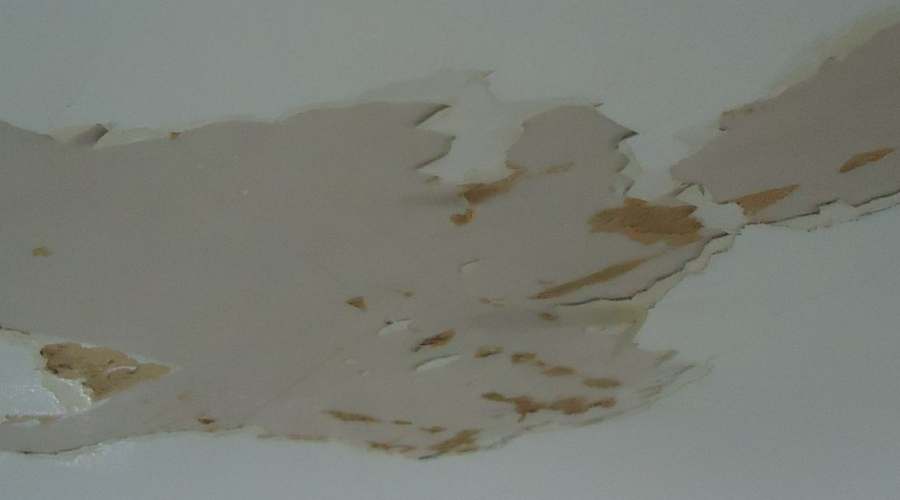
The water damage from a burst pipe — soaked drywall, ruined flooring, mold — often costs far more than the pipe repair itself, which is why shutting the water off quickly matters so much.
After the Freeze: Don’t Skip the Check
Once temperatures climb back up, it’s worth a look around. Some freeze damage doesn’t show until the thaw, when a cracked pipe finally starts leaking behind a wall or under the slab. If you notice damp spots, dropping water pressure, or a jump in your water bill after a cold snap, you may have a hidden leak — and professional leak detection can find it before it spreads. Homes with older, brittle pipes that took a beating may be candidates for repiping to prevent a repeat.
How Hugo Plumbing Can Help
At Hugo Plumbing, we’ve helped Houston homeowners through hard freezes for over 20 years — both preparing homes before the cold and racing to shut down and repair burst pipes after. We can insulate vulnerable lines, locate freeze-related leaks, and handle emergency repairs when a pipe lets go. Because we know how Houston homes are (and aren’t) built for the cold, we know exactly where the trouble hides.
Frequently Asked Questions
At what temperature do pipes freeze in Houston? Pipes are generally at risk once the temperature drops below 20°F for several hours, though poorly insulated pipes in attics, garages, and exterior walls can freeze closer to freezing (32°F) in a sustained cold snap. Because Houston homes aren’t built for hard freezes, our pipes are more vulnerable than those in colder climates when a freeze does hit.
Should I drip my faucets during a freeze? Yes. Letting a slow trickle run from a few faucets, especially those on exterior walls, keeps water moving and relieves the pressure that actually bursts a pipe. A pencil-lead-thin stream is enough. It’s one of the simplest and most effective things you can do during a hard freeze in Houston.
What should I do if a pipe bursts? Shut off your main water valve immediately to stop the flooding, then open a faucet to relieve pressure in the line. Turn off electricity to any affected area if water is near outlets or your panel. Then call a plumber right away. The faster the water is off, the less damage you’ll face, so know where your main shutoff is before you ever need it.
Be Ready Before the Cold Hits
Call or text (713) 409-7176 for a free estimate and a written price.
A hard freeze in Houston is rare, but when it comes, it comes for everyone at once — and the homeowners who prepared are the ones who come through it dry. Cover your pipes, know where your shutoff is, and let those faucets drip. If a freeze does catch you off guard, Hugo Plumbing is ready to help you shut it down and put it right. If your drain won’t go, call Hugo.
Explore Our Plumbing Services
See all plumbing services, the areas we serve, or more plumbing tips.